Navigating the realm of HVAC service post home purchase can be a daunting task for new buyers. This guide aims to shed light on the essential AC repair aspects that every homeowner should know, ensuring a smooth transition into understanding and maintaining their HVAC system.
Delving deeper into the intricacies of HVAC systems and post-purchase inspections, this guide equips readers with valuable insights to tackle common AC issues with confidence.
Understanding HVAC Systems
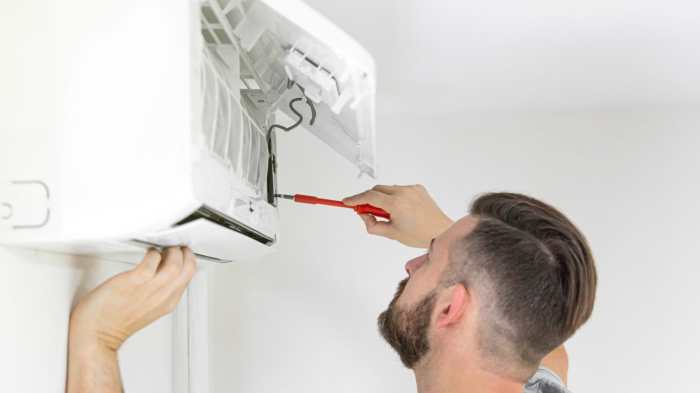
When moving into a new home, it's important to familiarize yourself with the HVAC system to ensure comfort and efficiency. Understanding the basic components and functions of an HVAC system can help you identify and address any issues that may arise.
Basic Components of an HVAC System
- The main components of an HVAC system include the furnace, air conditioner, ductwork, thermostat, and air filter.
- The furnace is responsible for heating the air, while the air conditioner cools it down. The ductwork distributes the conditioned air throughout the home, and the thermostat controls the temperature settings.
- The air filter helps to clean the air by trapping dust, dirt, and other particles, improving indoor air quality.
How HVAC Systems Work
HVAC systems work by cycling air between the indoor and outdoor units to regulate temperature and maintain air quality. During the heating cycle, the furnace heats the air and the blower circulates it through the ducts. In the cooling cycle, the air conditioner cools the air and removes humidity before circulating it back into the home.
Common Issues with HVAC Systems
- Dirty air filters can restrict airflow and reduce efficiency, leading to poor indoor air quality and higher energy bills.
- Leaky ducts can result in uneven heating or cooling throughout the home, wasting energy and compromising comfort.
- Refrigerant leaks, faulty thermostats, and worn-out components are other common issues that can affect the performance of an HVAC system.
Importance of Post-Purchase HVAC Inspection
After purchasing a new home, it is crucial to conduct an HVAC inspection to ensure the system is functioning properly and efficiently. This inspection can uncover any hidden issues that may not have been evident during the initial home viewing.
Significance of Professional Inspection
A professional HVAC inspection can identify potential problems with the heating, ventilation, and air conditioning system that could lead to costly repairs if left unaddressed. These issues may include leaks, blockages, faulty components, or inadequate airflow.
Finding a Reliable HVAC Technician
- Ask for recommendations from friends, family, or real estate agents who may have experience with reputable HVAC technicians.
- Check online reviews and ratings to gauge the quality of service provided by different HVAC companies.
- Ensure the technician is licensed, insured, and experienced in inspecting a variety of HVAC systems.
- Obtain multiple quotes to compare prices and services offered before choosing a technician for the inspection.
Regular Maintenance Tips
Regular maintenance is key to ensuring your HVAC system operates efficiently and lasts for years to come. By performing these essential tasks, you can prevent costly repairs and keep your home comfortable year-round.
Changing Air Filters Regularly
One of the simplest yet most crucial maintenance tasks for your HVAC system is changing the air filters regularly. Clogged and dirty filters restrict airflow, causing your system to work harder and less efficiently. By replacing filters every 1-3 months, you can improve indoor air quality, reduce energy consumption, and extend the lifespan of your system.
Scheduling Routine Maintenance Visits
In addition to changing air filters, scheduling routine maintenance visits with HVAC professionals is essential. During these visits, technicians can inspect and clean your system, identify potential issues before they escalate, and ensure all components are working properly. Regular maintenance not only keeps your system running smoothly but also helps maintain manufacturer warranties and can save you money in the long run.
Common AC Repairs for New Buyers
As a new homeowner, it's important to be aware of common AC issues that you might encounter. Knowing when to address these problems yourself and when to call in a professional can save you time and money in the long run.
Here are some tips on how to troubleshoot AC issues effectively:
Refrigerant Leaks
Refrigerant leaks are a common issue that can cause your AC system to underperform. Look out for signs such as reduced cooling efficiency and ice buildup on the evaporator coils. If you suspect a refrigerant leak, it's best to call a professional to handle the repair due to the specialized equipment and training required.
Clogged Air Filters
Clogged air filters can restrict airflow and reduce the efficiency of your AC system. Check your air filters regularly and replace them if they appear dirty or clogged. This is a simple DIY fix that can improve the performance of your AC unit.
Thermostat Malfunctions
If your AC system is not responding to temperature adjustments or is cycling on and off frequently, the thermostat may be malfunctioning. Check the settings and batteries in your thermostat to ensure they are functioning properly. If the issue persists, consider calling a professional to diagnose and repair the problem.
Fan Problems
If you notice that the fan in your outdoor unit is not spinning or making strange noises, it could indicate a problem with the fan motor or blades. Turn off your AC system immediately to prevent further damage and contact a professional for assistance.
Electrical Issues
Electrical problems such as faulty wiring or tripped circuit breakers can impact the performance of your AC system. Check your circuit breaker panel for any tripped breakers and inspect the wiring for any visible damage. If you are not comfortable working with electrical components, it's best to seek professional help.
Epilogue
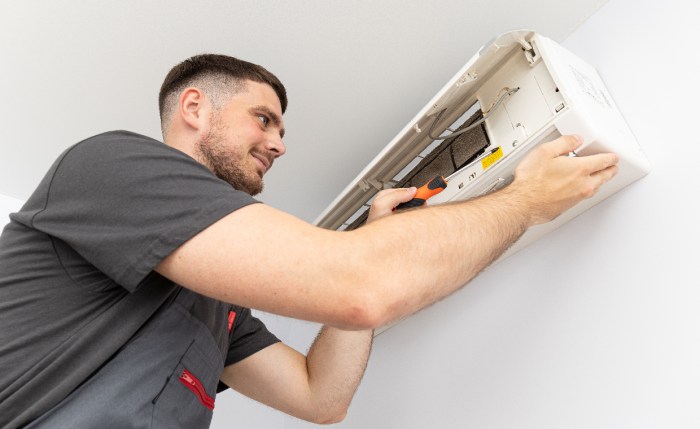
In conclusion, mastering the nuances of HVAC service after acquiring a new home is key to preserving comfort and efficiency. By following the advice Artikeld in this guide, new buyers can navigate the world of AC repairs with ease and assurance.
Query Resolution
How often should I change my air filters?
It's recommended to change air filters every 1-3 months to ensure optimal performance of your HVAC system.
When should I call a professional for AC repairs?
If you encounter major issues like refrigerant leaks or compressor problems, it's best to contact a professional HVAC technician for repairs.
Is regular maintenance necessary for a new HVAC system?
Yes, regular maintenance is crucial to keep your HVAC system running efficiently and to prevent costly repairs down the line.


![5 Ways To Avoid Foreclosure In [market_city] | Foreclosures, Sell your ...](https://consul.inilahkuningan.com/wp-content/uploads/2026/01/Last-Minute-Ways-to-Stop-Foreclosure-Auction-120x86.jpg)